Featured
Table of Contents
Ranking for "near me" searches needs enhancing regional listings, unbranded keywords, reviews, and visual content throughout search, maps, social, and AI platforms to capture high-intent local traffic. "Near me" searches have actually changed how customers discover local companies. According to the, 83% of consumers still use search engines like Google or Bing to find regional businessesbut 73% also discover them on social networks, and almost 20% now turn to AI assistants such as ChatGPT or Gemini.
Over the previous decade, searches consisting of "near me" have taken off. They peaked in July 2021 with an interest score of 100 and remain high today, showing that local intent is here to stay. Searches like "restaurants near me", "tasks near me", and "stores near me" continue to dominate. The 2025 CBI exposed an essential shift42% of customers now utilize unbranded, generic terms such as "coffee near me" instead of brand names.
The graph listed below illustrates the "near me" search term in the United States over the previous 9 years. Smart devices stay the leading chauffeur of "near me" searches, but AI is rapidly signing up with the mix. Almost one in 5 consumers now utilize AI tools to find suggestions, with Gen Z leading the pattern.
Consistency across these channels is what wins the click (and the go to). Top Associated "Near Me" Queries Google ranks regional outcomes based upon 3 main elements: Importance: How well your listing matches what users are browsing for Distance: Range from the searcher's current location Prominence: How widely known and well-reviewed your business is across the web The 2025 CBI discovered that precision, convenience, and consumer feedback are now the top three aspects affecting where customers choose to visit.
Strategies to Win Near Me Search Queries
Your Google Service Profile (GBP) is your digital shop. Services that rank in Google's regional 3-pack make 126% more traffic and 93% more actions than those ranked listed below.
Enable functions like mobile ordering, bookings, or scheduling to transform searchers immediately. For multi-location brands, regional landing pages are necessary for constructing significance. Each page should consist of: City-specific keywords (e.g., "emergency dental care in Austin") SEO-friendly URLs and meta descriptions Client reviews and user-generated content Clear calls-to-action and mobile-first style emphasizes enhancing for unbranded keywords to capture the 63% of local searches that do not consist of trademark name.
Pro suggestion: Connect these location pages to related blog content using keyword-rich anchor text to reinforce your internal SEO structure. 91% of customers check out evaluations before checking out a regional company, and 65% are most likely to pick a company that responds. To build evidence that drives trust: Encourage pleased clients to leave reviews.
Future-Proofing Brand Visibility Using AEO Tactics
Generative AI has changed how individuals search. Your material now requires to perform in both traditional search and AI-driven suggestions.
Use schema markup for structured data like openingHours and priceRange. Rich, structured content assists your brand name appear when consumers ask AI tools for the "best [service] near me." The 2025 CBI found that customers utilize approximately 3.6 platforms before choosing where to go. That makes local presence across social, search, and AI platforms vital.
Highlight community occasions, staff stories, and promos. Engage directly with consumers through remarks and evaluations. This method develops authenticitya crucial trust signal for more youthful, discovery-driven customers. AI isn't changing SEOit's refining it. Tools like SOCi's Genius Search and Genius Evaluations use real-time information to help multi-location brand names: Enhance listings for precision and efficiency Improve reaction times to reviews Determine location-specific visibility spaces By automating insight collection and local updates, you can stay ahead of rivals and adjust faster to shifts in customer habits.
Consumers move fluidly between Google, social, maps, and AI assistantsoften in the very same session. Ranking for "near me" searches now implies showing up everywhere they look. Start with precise listings, build locally relevant material, and accept unbranded search. Then, use AI insights to fine-tune your existence continually. Because in 2025, exposure isn't just about being foundit's about being picked.
Optimizing the Search Pack for 2026 Growth
Did you understand local and organic searches represent 69% of digital traffic? Those searchers frequently contain the "near me" tag as searchers seek solutions nearby. In this short article I will describe what "near me" searches are and how you rank for them. Regional searches are the greatest motorist of traffic.
This SEO subset is special, as it equates digital research study into physical foot traffic or direct calls to provider. Any regional organization must include local SEO "near me" as a pillar of their content strategy. When services optimize for this, they can expect a considerable return on their financial investment.

Profiting from this search trend needs a variety of optimization techniques. When performed efficiently, regional business can improve their presence in search rankings to get attention and clicks from audiences in their backyard. What You Need to Learn about "Near Me" Searches "Near me" SEO enables companies to get in front of individuals at the decision stage of the consumer journey.
Typically, you'll benefit from regional SEO "near me" optimization if you own any type of company with a brick-and-mortar area that customers will go to. A couple of examples include retail, dining establishments, entertainment, hotels, medspas, and field service business like heating and cooling, plumbing professionals, or electrical contractors. These organizations all target audiences that neighbor.
The Effect of Localized Material on Brand Name SearchAdapting Local Visibility for AI Optimization
They are frequently very particular, representing a micro-moment for buyers requiring your product or service. To rank for the words "near me" in your material, you'll target particular locations with whatever from city-specific search terms to special company info for each area. Practically any regional business can use these techniques: Home Providers: Remodelers, plumbers, electricians, landscapers, and more Automotive: Mechanics, vehicle body stores, car dealers, and rental services.
Financial Solutions: Services such as financial advisory business and banks. Retail Stores: Nearly any type of retail location, including grocery shops, electronics outlets, and clothes shops.
To enhance this, guarantee your service info is finished, detailed, and accurate. Relevant local keywords can also assist your Service Profile rank much better. Distance: This element considers how far the search results page is from the place term in the question. With "near me," users don't specify a place like a city or postal code.
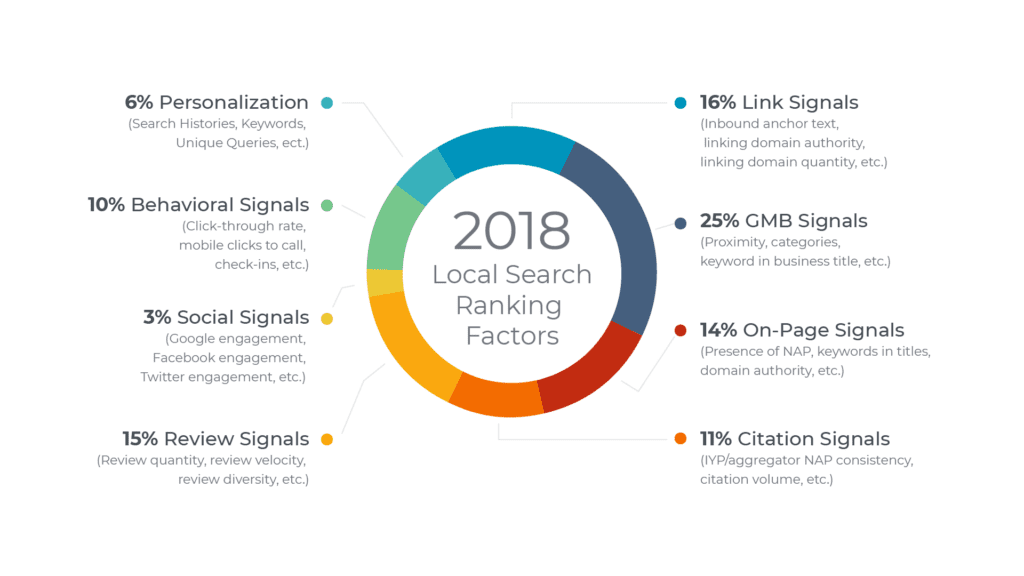
Google also uses details about a service in the digital landscape, from web links to articles to directories. Be sure to include your company's name, address, and phone number (NAP) all over the internet to remain popular, and encourage social media shares amongst your audience.

Latest Posts
Optimizing Your Business Profile to Boost Growth
Hyper-Local SEO Strategies for Better ROI
Building Authority Through Trusted Business Citations